written by Heleen van As
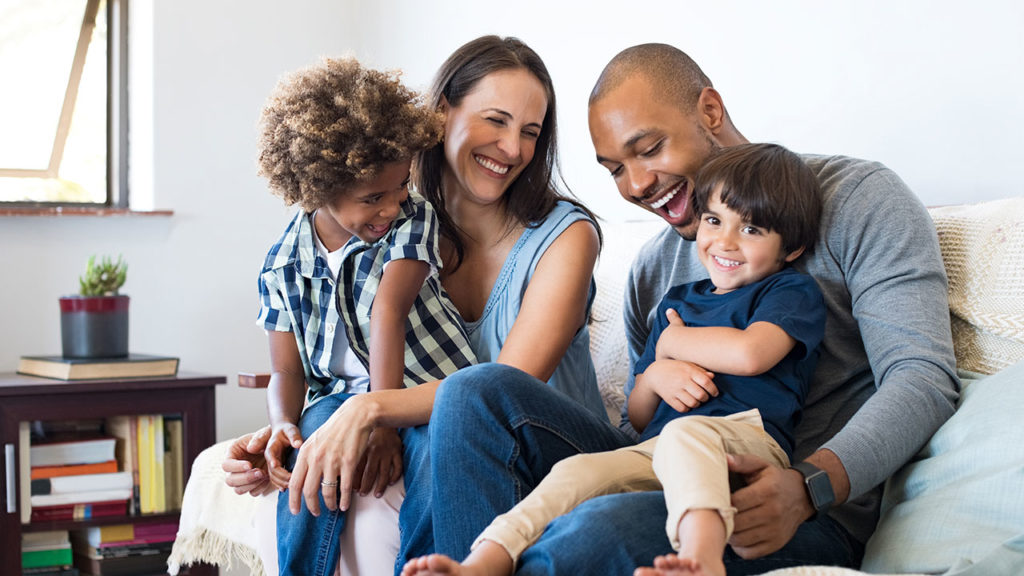
Family structure quite often is a concept that is taken for granted. When you however take a visit to any foundation phase classroom the ‘my family’ sketches and photos on the wall will strike you: South African children grow up in homes where the composition of families is very diverse.
The story of a father who is absent because he has to work in another town, province or country to financially take care of his family, gets a surname. Homes where only one parent is present receive an address. Siblings who have to take care of each other because life has simply became unaffordable so both parents need to work or even worse, they’ve passed on, must quickly learn how to grow up. More often the norm where a grandparent forms part of the household, or are the main family members, shapes SA’s bigger framework.
“Although family structure has a huge influence on the way people approach their lives and form relationships, it is a theme that often don’t get much thought. Yet it is one of the most important building blocks of a healthy community. Even in a country like South Africa — with its multitude diversity of cultures, customs, religions and population groups — the family consistently is a person’s first acquaintance with a human relationships. This shapes the example he or she wants to pursue, or not,” explains Dinah Bronkhorst, CEO of the Care Protect Invest South Africa (CPI SA).
The collapse of the family structure, or its dysfunction, has a huge impact on children’s healthy growth and development. It greatly impacts a child’s behaviour, emotional functioning and affects the child as a whole. Family structure therefore is responsible for the formation of a child’s life on a physical, emotional and intellectual level. Their childhood directly shapes their values, skills, way of socialising and sense of safety.
To CPI SA the term ‘family’ does not necessarily refer to blood. Where the normal setup of families is lacking, new conditions can be created within which children can develop, thrive and pursue their dreams.
“Our foster care model is an excellent example of how a broken puzzle can be reconstructed into the most beautiful picture. Each of our homes are anchored within a stable community: involving schools, counsellors, business people, psychologists, social councils, statutory services, donors and caring groups. The integration of these people helps them to process emotional scars, have a ‘normal’ childhood and become superb human beings who prosper. The main aim of this holistic approach is to heal and shape these children for the outside world, giving them a stable childhood and fighting chance in life,” says Bronkhorst.
They currently administrate and fund two Our Future Homes, based in Pretoria and Rawsonville. Their dream is to assist individuals and companies in establishing similar ventures based on this sustainable model. Each of these homes houses up to a maximum of six children, growing up together as a ‘normal’ family. When a child, by court order, is placed in this loving, bound home, they will safely reside there until they have finished school.
Thereafter CPI SA, through the help of their affiliate Afrikaanse Toekomstrust (ATT), assists them to land on their feet by offering them an interest-free study loan or support them in finding a trade.
As a non-profit company CPI SA relies on the funding of benefactors, who mainly are individuals and businesses who take interest in broader social issues, rather than chasing profit margins. CPI SA therefor drives several unique, sustainable caring initiatives (that physically make a difference in the lives of those less fortunate) to fit any individual or company’s corporate social responsibility (CSR) needs.
“Over the years we have realised that the regulations and legislation to manage your own CSR can be compound and demotivating. When you as an individual or a company have the need to change other’s lives, you should not be discouraged by the red tape. CPI SA can seamlessly assist you to administrate and ensure that a project of your liking is sustainable for the long run,” says Bronkhorst.
CPI SA is not fixed on promoting our own projects. They see the bigger picture and the importance to establish an initiative that directly benefits your local community, creates brand awareness and ultimately reaches your target market.
“Consumers are increasingly aware of the importance of CSR and will easily pay a premium when they know that parts of the profit are channelled toward a greater good. Apart from enjoying the tax benefit and score BEE points, you will also find that ploughing back into your community is very rewarding,” says Bronkhorst.
If you would like to find out more about CPI SA’s foster care model or get involved in any other way, feel free to contact Bronkhorst on 012 111 8352.
“Together we can move mountains to heal and nourish broken children and give them the opportunity to prosper! It is about so much more than a plate of food or just a roof!”
For media enquiries contact:
Dinah Bronkhorst – Executive Head
Cell: 072 126 1158